
What Is Patent Leather? Difference Between Patent and Genuine Leather – Complete Footwear Guide in Pakistan
By KHeRi — The Handmade ·
A practical, in-depth guide explaining what patent leather is, how it’s made, how it compares to PU and genuine leather, its uses in men’s and women’s fashion (including wedding footwear), how to care for it in Pakistan’s climate, and how to choose the right patent leather shoes.
Introduction — What is patent leather?
Patent leather is a type of leather characterized by its extremely glossy, high-shine finish. Traditionally, it referred to real animal hide that had been given a lacquered surface — a mirror-like shine created by applying layers of varnish, lacquer, or synthetic coating. Today, the term “patent leather” can describe both genuine leather with a lacquered finish and synthetic materials (including PU or PVC) manufactured to achieve the same glossy look.
In footwear and accessories, patent leather conveys formality and polish, which is why it frequently appears in dress shoes, bridal heels, evening loafers, and select handbags. Because of its distinctive gloss,it photographs very well and is often chosen for wedding-related ensembles in Pakistan.
Scope of this guide: This article explains how patent leather is made, how to tell real patent leather apart from imitations, where patent leather is best used (men’s and women’s contexts), and how to look after patent leather items in Pakistan’s climate.
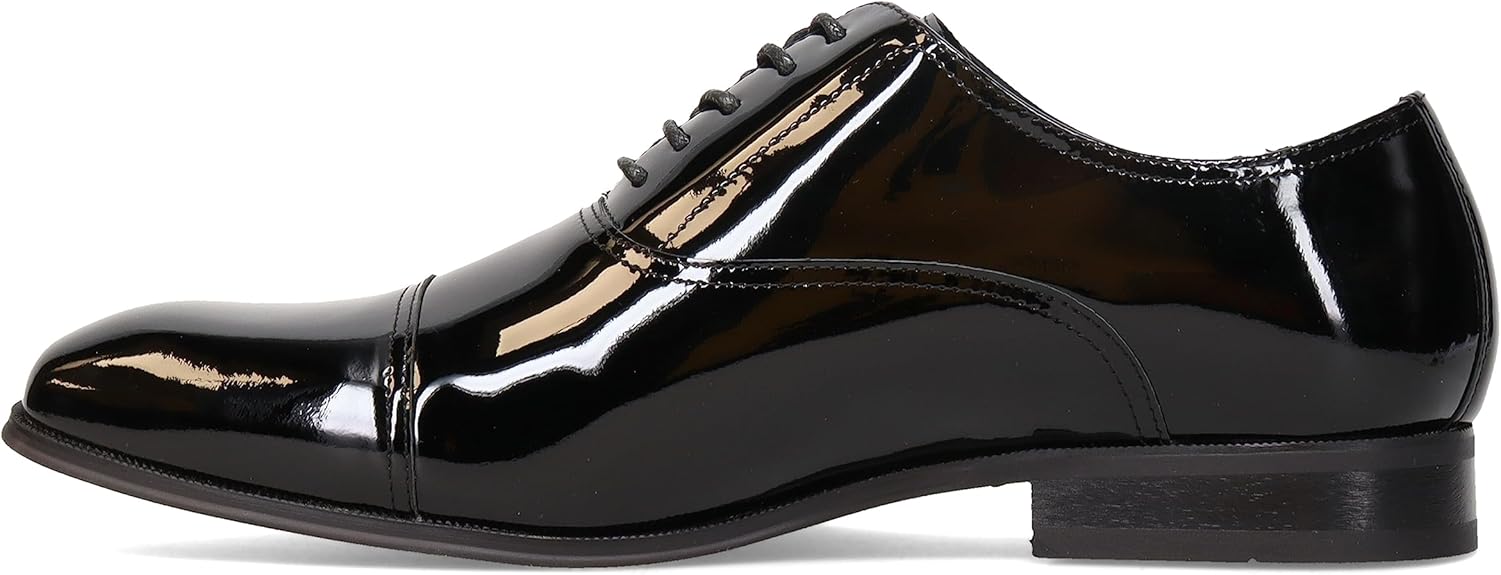
A short history of patent leather
The concept of a lacquered, glossy surface on leather is centuries old. Early forms of high-gloss leather were produced by applying natural resins and oils, but the modern era of patent leather began in the 19th century with industrial varnishes and lacquers. Patent leather became especially popular for women’s shoes and accessories in the late 1800s and early 1900s.
Later developments introduced synthetic alternatives that achieved similar or even higher gloss levels. While traditional patent leather emphasised natural hide finished with varnish, today’s patent surfaces may be built with polymer topcoats or entirely synthetic substrates.
The enduring popularity of patent leather lies in its formal, polished aesthetic — something that remains highly desirable for weddings, formal receptions, and eveningwear across cultures, including Pakistan.
How patent leather is made — from hide to mirror finish
Manufacturing patent leather can vary depending on whether the base is genuine leather or synthetic. Below are simplified steps for both approaches so you can understand what gives patent leather its signature shine.
Traditional (genuine leather) patent finishing
- Selection & preparation: High-quality hides are selected and tanned. The hide is smoothed and prepared to accept finish layers.
- Undercoat application: A filler or primer may be applied to even out the texture and fill pores.
- Multiple lacquer coats: Layers of lacquer, resin or high-gloss finish are applied. Each layer is allowed to dry and is sometimes polished between coats.
- Curing & buffing: The final surface is cured and buffed to achieve a durable, reflective shine.
Synthetic ‘patent’ finishes (PU/PVC-based)
- Coated textile or film: A textile backing or synthetic base is coated with a glossy polymer — PU, PVC or other resin.
- Embossing/texturing: If needed, the surface is given a uniform texture, then sealed with a shiny topcoat.
- Final finishing: The synthetic surface is cured and often treated to improve scratch resistance and colorfastness.
Key difference: genuine patent leather is hide plus lacquer, while many mass-market patent finishes are manufactured from synthetic polymers that mimic lacquer effects. Both techniques produce the high shine that defines patent leather.
Physical characteristics & common finishes
Patent leather is identified mainly by:
- High gloss/mirror surface: Reflective, almost lacquered appearance.
- Smooth texture: Typically very smooth with minimal visible grain.
- Solid color intensity: Colors appear deep and saturated because of the glossy coating.
- Surface resilience: Resistant to light stains and splashes — most dirt wipes off easily.
Common finishes you’ll see:
- High gloss black: Classic for formal men’s footwear and glossy women’s heels.
- Patent colors: Deep reds, navy, metallics, and whites for fashion and bridal use.
- Patent with texture: Some modern patent leathers have micro-textures (faux croc, subtle grain) under the high gloss.
Comparison: Patent Leather vs PU Leather vs Genuine Leather
Below is a concise table comparing the three materials across features important to footwear buyers.
| Feature | Patent Leather | PU Leather | Genuine Leather |
|---|---|---|---|
| Source | Either lacquered hide or glossy synthetic coating | Textile backing + polyurethane coating (man-made) | Animal hide (cow, goat, sheep) |
| Look & feel | High gloss, mirror-like finish; smooth | Can mimic leather finish; varies in gloss | Natural grain; matte to semi-gloss unless treated |
| Durability | Durable surface but lacquer can crack if flexed repeatedly | Moderate; may crack/peel over time | High; ages well and can be repaired |
| Breathability | Lower, especially if heavily coated | Lower than genuine leather | High, natural pores allow air flow |
| Maintenance | Easy wipe-clean; avoid abrasive polishes | Easy to clean; avoid harsh solvents | Requires conditioning & occasional polishing; repairable |
| Best for | Formal shoes, bridal heels, glossy accessories | Budget mid footwear, fashion variety | Long-term investment in footwear, high-end shoes |
Summary: Patent leather offers a unique, glossy aesthetic that is perfect for formal occasions. It shares some advantages of PU (easy cleaning), but when backed by genuine hide, it combines natural durability with a lacquered look. Understand the construction before you buy — lacquered hide, high-quality coated PU, or cheap PVC all look glossy, but their lifespan and feel differ greatly.
Patent leather in men’s vs women’s fashion — how uses differ
Patent leather is used differently across genders and fashion categories. Understanding these differences helps you pick the right style for weddings, formal parties, or everyday wear in Pakistan.
Men’s Fashion — Classic formality and modern variations
For men, patent leather is most commonly associated with formal dress shoes: example categories include:
- Black patent oxfords: A classic choice for white-tie and black-tie events worldwide. In Pakistan, they work well for evening receptions and formal gatherings where a high-gloss shoe complements a dark sherwani or tux-style sherwani.
- Patent loafers & monk straps: Contemporary grooms sometimes pair low-profile patent loafers with embroidered waistcoats or tailored sherwanis for a refined, modern look.
- Patent accents: Some men’s shoes use patent panels (toe cap or heel) combined with matte leather for contrast — a subtle way to add shine without the full gloss.
Why men choose patent: The material reads as dressy and stands out in evening lights and photos. For grooms who want a traditional, polished look, patent shoes photograph exceptionally well and pair with darker formalwear.
Women’s Fashion — versatile and statement-making
Women’s fashion often uses patent leather in more varied and decorative ways:
- Bridal and evening heels: Patent heels in white, cream, red, or metallics are staples for Western-influenced bridal looks or reception dresses. In Pakistani weddings, patent heels pair nicely with lehengas or modern reception gowns.
- Ballet flats & pumps: Shiny pumps are popular for both formal events and workwear because they add polish to an outfit.
- Strappy sandals & decorative elements: Patent straps and glossy details can be used as accents on sandals and chappals for Mehndi, Valima, and other events.
Why women choose patent: Patent leather comes in many colors and finishes, which makes it useful for matching or contrasting with richly embroidered bridal outfits. Its high shine makes accessories pop in photos and adds a glamorous touch to the overall look.
Practical differences to consider
- Comfort & structure: Women’s patent heels often demand more attention to fit and cushioning because shoes are worn for dancing and long ceremonies. Men’s patent shoes are typically flatter with more emphasis on sole support.
- Care demands: Women’s patent heels reveal scuffs and scratches more easily (because of glossy color), so they need careful handling and protective storage.
- Climate factors: In hot Pakistani summers, patent shoes can feel less breathable for long wear — choose shoes with breathable linings or perforated designs when possible.
Overall, patent leather remains a go-to for wedding footwear: men favour the classic black gloss for evening formality while women often choose patent for bridal and reception glamour. In both cases, quality and fit determine how comfortable and long-lasting the shoe will be.
Advantages of patent leather
Why do designers and shoppers keep choosing patent leather for formal footwear? Key advantages include:
- High-impact aesthetic: The mirror-like shine gives an instantly formal and glamorous look that stands out in photos.
- Easy to clean: Most surface dirt wipes off with a damp cloth; light stains rarely penetrate the finish.
- Color intensity: Patent finishes make colors look deeper and more saturated — useful for statement shoes or matching outfit accents.
- Water resistance: The lacquered or polymeric surface resists light moisture better than untreated leather.
- Design versatility: Patent can be used as a full material or as an accent (toe cap, heel panel) to create contrast without heavy ornamentation.
Disadvantages & practical limitations
No material is perfect. Here are the downsides to consider before purchasing patent leather footwear:
- Prone to visible scuffs: Because the surface is highly reflective, scratches and scuffs are often obvious.
- Potential cracking on flex points: Heavily lacquered surfaces can crack where the shoe bends repeatedly (toe box, vamp) if the finish is brittle or low-quality.
- Lower breathability: Coated surfaces reduce airflow; this can make long wear in hot climates less comfortable.
- Repair challenges: Restoring a high-gloss finish is more complex than polishing natural leather — sometimes professional refinishing or replacement is necessary.
- Reflectivity in daylight: The high shine looks great in photos but may appear too glossy under very strong sunlight for some tastes.
Care & maintenance for patent leather — Pakistan-friendly tips
Taking care of patent leather is straightforward but requires a few specific habits to keep the shine and prevent damage. The tips below are adapted for Pakistan’s common conditions (dust, heat, monsoon humidity).
Daily and after-wear care
- Wipe dust and fingerprints away with a soft, slightly damp microfiber cloth.
- For light scuffs, a gentle rub with a cotton ball and a small amount of petroleum jelly or mineral oil often reduces visibility—apply sparingly and buff with a soft cloth.
- Avoid abrasive cleaners or brushes that can remove the topcoat.
Dealing with deeper scuffs & minor cracks
Minor scuffs: use a patent leather cleaner or a tiny amount of non-abrasive metal polish on a cloth (test on an inconspicuous area first). For small surface cracks, professional refinishing is the most reliable solution.
Storage & long-term care
- Store patent shoes in dust bags or boxes to prevent surface rubbing and scratches.
- Use shoe trees for structure; for women’s heels, keep them upright to protect straps and heels.
- Avoid prolonged exposure to direct sunlight and extreme heat — this can dull or yellow the finish.
What to avoid
- Do not use leather conditioners designed for natural leather — they can leave a film on the glossy finish.
- Avoid strong solvents (acetone, nail polish remover), which will damage the patent topcoat.
- Be cautious with colored dyes and inks — glossy surfaces attract pigment, and these can be hard to remove.
For broader shoe care across materials, visit our full guide: Shoe Care Tips.
Buying guide — choosing patent leather shoes in Pakistan
Whether you’re shopping for wedding shoes, formal shoes, or stylish heels, this checklist will help you pick the right patent leather item.
1. Decide genuine lacquered patent or synthetic patent
Genuine lacquered patent (real hide finished with lacquer) usually costs more but offers better structure and potential longevity. Synthetic patent (PU/PVC-based) is more budget-friendly and often lighter. Choose based on your priorities: look & budget vs long-term comfort and repairability.
2. Inspect flex points & seams
Bend the shoe slightly where your toes flex — a high-quality patent shoe will flex without the surface crazing. Check seams and glued joints for neatness.
3. Examine the lining & insole
Good lining (leather or breathable fabric) makes patent shoes more comfortable for long ceremonies. Prefer cushioned insoles if you expect long standing or dancing.
4. Ask about returns and warranty
Because glossy surfaces can be sensitive, a clear return policy or short workmanship warranty is helpful — especially for bridal purchases ordered online.
5. Color & matching
Match shoe color to outfit accents (buttons, brooches) rather than trying to match the entire outfit. For bridal wear, classic white/ivory patent or metallics are common choices.
When in doubt, visit a physical store to inspect finish and fit; if you buy online, request high-resolution close-ups of the toe, seam, inner lining, and sole.
Environmental & ethical considerations
Patent leather raises similar questions to other coated or synthetic materials. Key points to weigh when choosing a patent shoe:
- Genuine lacquered patent: Derived from animal hide — environmental impact depends on livestock sourcing and tanning processes. Tanning chemicals can be polluting if not managed properly.
- Synthetic patent (PU/PVC): Made from polymers — less dependent on animal agriculture, but still contributes to plastic production and microplastic shedding over time.
- Longevity matters: A long-lasting, well-maintained patent leather shoe (even genuine) can be less wasteful than repeatedly replacing cheap synthetic items.
- Local repair culture: In Pakistan, cobblers and repair services are widely available — repairing and resoling helps reduce waste and extends the life of quality shoes.
Practical advice: prefer higher quality materials, ask sellers about sourcing & tanner practices, and consider repair over replacement whenever possible.
Frequently Asked Questions (FAQ)
Q: Is patent leather the same as glossy PU?
A: Not always. Patent leather originally referred to hides finished with lacquer. Today, many synthetic materials (PU/PVC) imitate patent leather’s glossy look. The term “patent” is used for both lacquered genuine leather and coated synthetics — so check product descriptions.
Q: Can patent leather be repaired if it peels or cracks?
A: Minor scuffs can often be polished out or reduced, but deep cracking or peeling of the topcoat is difficult to repair perfectly. Professional refinishing can help, but sometimes replacement is necessary, depending on damage severity.
Q: Are patent shoes comfortable for long wedding ceremonies?
A: Comfort depends on the shoe’s construction (insole cushioning, lining, sole flexibility). Patent material itself is less breathable, so choose shoes with good internal materials and break them in before the event.
Q: How do I remove sticky residue or stains from patent leather?
A: Use a damp cloth and mild soap for general dirt. For sticky residues, a small amount of mineral oil or petroleum jelly on a cloth, followed by buffing, can help. Avoid harsh solvents that damage the finish.
Q: Is patent leather suitable for Pakistani bridal wear?
A: Yes — especially for evening receptions and very formal looks. Patent heels and glossy accessories pair beautifully with embroidery and sequins. Consider the whole outfit and comfort needs (dancing, standing) when choosing heel height and support.
Conclusion & recommended next steps
Patent leather is a style language: high shine, strong photographic presence, and formal elegance. Whether you choose genuine lacquered patent or a synthetic patent finish, the glossy look communicates dressing up — perfect for weddings, receptions, and formal events in Pakistan.
Key takeaways:
- Patent leather can be genuine hide finished with lacquer or a synthetic coated material — always check product details.
- Patent is ideal for formal footwear but requires careful handling to avoid scuffs and cracks.
- Choose quality construction (good lining, cushioned insole) to ensure comfort for long events.
- Repairs are possible for structural issues, but cosmetic restoration of high gloss may need a professional.
At KHeRi, our focus is genuine handmade leather craftsmanship for buyers who value longevity and repairability. If you prefer the glossy look of patent, we recommend selecting high-quality materials and planning for proper care. For general shoe maintenance across materials, see our detailed guide at Shoe Care Tips.
Would you like this article converted to a bilingual English+Urdu version or into Gutenberg blocks ready for your WordPress editor? I can prepare either on request.