
Pakistani Wedding Shoes for Men — Complete Style Guide 2026
Pakistani weddings typically span 3 to 5 events, mehndi, dholki, baraat, nikah, and walima, each with different formality levels and outfit requirements. The five main shoe types for Pakistani men at weddings are: Khussa (embroidered, for formal sherwani), Norozi chappal (versatile flat sandal, works for almost every event), Peshawari chappal (rugged multi-strap, best for baraat), Mojari (Punjabi embroidered shoe), and formal leather Oxfords (for Western suit occasions). For most men attending as guests, one pair of Norozi chappal covers every event, it is the most versatile and universally appropriate choice.
Pakistani weddings are among the most elaborate and beautiful celebrations in the world, multi-day affairs with distinct dress codes, color themes, and formality levels for each event. Getting the footwear right matters more than most men realize. The wrong shoes with the right outfit is a noticeable mismatch, heavy sneakers with a sherwani, or overly formal Oxford shoes at a casual outdoor mehndi, both stand out for the wrong reasons.
For Pakistani men attending weddings in the United States, United Kingdom, Canada, and other diaspora communities, finding the right traditional footwear adds an additional challenge, these shoes are not available in mainstream Western shoe stores. Knowing what to look for, where to buy it, and how far in advance to order is essential when the wedding date is approaching.
This guide covers everything: the five main shoe types, which to wear for each event, how to match them to your outfit color, the specific differences in footwear priorities for the groom versus guests, where to buy in the USA and UK, and honest comfort advice for multi-day wedding wear. Whether you are the groom, part of the wedding party, or a guest, this guide gives you a clear, practical answer for every scenario.
Understanding Pakistani Wedding Events — What Each One Requires
Pakistani weddings vary significantly by regional tradition, Punjabi, Pathan, Sindhi, Muhajir, and Balochi wedding customs all differ in detail, but most share a similar sequence of events with distinct dress requirements. Understanding the formality arc helps you plan footwear correctly.
| Event | Formality Level | Typical Outfit | Best Shoe Choice | Timing |
|---|---|---|---|---|
| Dholki / Rasm-e-Henna | Casual | Colorful shalwar kameez, kurta | Norozi chappal, flat sandals | 1–3 days before |
| Mehndi | Smart Casual | Colored shalwar kameez, kurta, often matching family color theme | Norozi chappal, Peshawari chappal, Khussa | 1–2 days before |
| Baraat | Semi-formal | Sherwani or formal shalwar kameez for groom, shalwar kameez for guests | Khussa or Norozi chappal (groom), Peshawari or Norozi (guests) | Wedding day |
| Nikah | Most Formal | Sherwani or formal suit | Khussa (with sherwani), Oxford leather shoes (with suit) | Wedding day |
| Walima | Semi-formal | Shalwar kameez or Western suit | Norozi chappal (shalwar kameez), Oxford shoes (suit) | 1–3 days after |
Regional Variations — KPK vs Punjab vs Sindh Traditions
Pakistani wedding footwear traditions vary by regional background. KPK (Pashtun) weddings, particularly in diaspora communities, frequently feature Peshawari chappal and Norozi chappal as the primary footwear for all events including the baraat. Punjabi weddings tend to favor Khussa and Mojari for more formal events and Norozi chappal for casual occasions. Sindhi and Muhajir weddings have historically leaned toward formal leather shoes for nikah and sherwani occasions. These are general tendencies, individual family preferences and generational differences within diaspora communities vary considerably.
The 5 Types of Pakistani Wedding Shoes for Men
Khussa (also spelled Khusa or Khusse) is the quintessential Pakistani and South Asian formal wedding shoe, a pointed-toe slip-on traditionally made from leather with embroidered, embellished, or hand-painted uppers. The pointed toe curls upward slightly at the tip, the sole is flat leather, and the overall construction is lightweight and flexible.
Khussa is available in a wide range of designs, from simple monochrome leather for understated formal wear, to heavily embroidered gold and silver work for the most elaborate wedding occasions. For the groom’s nikah and baraat outfit, heavily embellished Khussa in gold or ivory tones paired with a cream or white sherwani is a classic and timeless combination.


Norozi chappal is the most practical and universally appropriate wedding footwear for Pakistani men. Its clean, refined profile, flat leather sole, neat leather straps, and a back strap that keeps it secure, works equally well with formal shalwar kameez, kurta, and even semi-formal sherwani for those who prefer traditional comfort over pointed-toe formality.
Unlike Khussa, which is specifically a formal shoe, Norozi chappal covers the entire formality range from casual dholki events to semi-formal walima occasions. The full grain leather construction means it conforms to the foot and becomes progressively more comfortable with each wear, making it particularly practical for multi-day wedding events.
For Pakistani diaspora men in the USA and UK attending weddings, Norozi chappal is the single most practical purchase, one pair covers every event in the wedding schedule and can be worn again for Eid, family gatherings, and cultural events throughout the year.


Peshawari chappal is the defining footwear of KPK and Pashtun cultural identity, and at Pashtun weddings in particular, it is the most common and culturally appropriate footwear choice for men at all events including the baraat. Its wide, rugged multi-strap design and very thick leather sole make it exceptionally comfortable for outdoor events, standing for long periods, and the active celebration of baraat processions.
In Pashtun and KPK-origin diaspora weddings in the USA and UK, Peshawari chappal worn with a crisp shalwar kameez or kurta is a statement of cultural pride as much as it is a style choice. Prominent political figures and cultural leaders have worn Peshawari chappal to formal international events, the shoe carries significant cultural weight beyond its casual appearance.


Mojari is the traditional Punjabi embroidered shoe, similar to Khussa in its pointed-toe silhouette but typically featuring more elaborate embroidery work, often in bright thread colors, mirrors (sheesha work), or metallic thread. Mojari is traditionally associated with Punjabi culture and is a popular choice for mehndi events and baraat processions where the colorful embroidery complements the celebratory atmosphere.
For diaspora Pakistani men who want a shoe that expresses cultural pride while adding visual interest to a colorful mehndi or baraat outfit, Mojari is an excellent choice. The embroidery can be coordinated with the color theme of the specific wedding event, golden thread Mojari for more formal occasions, multicolor thread for mehndi.


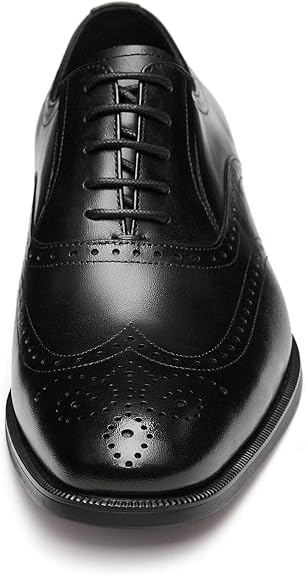
Many Pakistani diaspora weddings include at least one event, often the walima or an additional reception, where Western formal attire is worn alongside or instead of traditional dress. For these occasions, the traditional Pakistani footwear types do not pair appropriately with a Western suit. A clean pair of formal leather Oxford shoes in black or dark brown is the correct choice.
For the nikah specifically, some grooms opt for a Western suit rather than sherwani, in this case, a well-polished pair of black Oxford shoes is entirely appropriate. The same applies to male guests who choose to wear a suit to the walima reception.


Pakistani KHeRi Chappal can be delivered to you where ever you are/h2>
Event-by-Event Shoe Guide — What to Wear for Each Occasion
🎶 Dholki and Rasm-e-Henna — Casual Pre-Wedding Events
These are the most informal events in the Pakistani wedding schedule, typically home or backyard gatherings with music, food, and celebration. Dress codes are relaxed and colorful. Men typically wear casual or semi-casual shalwar kameez or kurta in bright or festive colors.
Best shoe choice: Norozi chappal or Peshawari chappal in natural leather tones. These events often involve sitting on the floor, dancing, and moving between indoor and outdoor areas, traditional chappal is far more practical than formal shoes. Avoid Khussa, the pointed toe and formal profile are out of place at a casual dholki.
💛 Mehndi — The Colorful Mid-Wedding Celebration
Mehndi is typically the most colorful event of the wedding, dress codes often follow a yellow-green theme and outfits range from casual kurta to more formal embroidered shalwar kameez. The atmosphere is festive and active.
Best shoe choices: Norozi chappal (most versatile), Khussa in a color that coordinates with the mehndi color theme, or Mojari with bright embroidery for Punjabi-background weddings. Avoid heavy formal Oxford shoes, the festive, casual atmosphere does not suit them.
🎩 Baraat — The Wedding Procession
Baraat is one of the highest-energy events of the wedding, the groom’s procession to the bride’s home or venue, often with a dhol, dancing, and large crowds. It is semi-formal: the groom typically wears sherwani, the baraat party wears coordinated or matching shalwar kameez.
Best shoe choices for groom: Khussa in gold or embellished tones with sherwani, or Norozi chappal for those who prefer comfort over formality. Peshawari chappal for KPK-background grooms, wearing Peshawari chappal at baraat is deeply traditional and culturally significant.
Best shoe choices for baraat guests: Norozi chappal or Peshawari chappal, comfortable for dancing and procession walking, appropriate with shalwar kameez.
🕌 Nikah — The Religious Ceremony
The nikah is the most sacred and formally significant event, the legal and religious marriage ceremony. Dress codes tend toward the most formal of the wedding schedule. Many grooms wear their best sherwani for nikah; some in diaspora communities wear a Western suit.
Best shoe choices: Khussa for sherwani, specifically a clean, well-maintained pair in gold, ivory, or a tone that coordinates with the sherwani. Formal Oxford shoes for Western suits. For guests attending nikah, Norozi chappal in well-maintained dark leather is appropriate and respectful. Avoid casual chappal or sneakers at nikah, the ceremony’s gravity is reflected in the dress code.
🌹 Walima — The Reception Celebration
Walima is the groom’s family’s hosted celebration, typically a large, well-attended reception held 1 to 3 days after the wedding. Dress codes vary widely by family, from formal sherwani to casual shalwar kameez to Western suits.
Best shoe choices: Match the shoe to the outfit formality. Norozi chappal for shalwar kameez, it is the single most appropriate choice for traditional dress at walima. Oxford shoes for Western suits. Khussa if wearing formal sherwani for walima.
Color Matching Guide — Shoes to Outfit
Natural / Tan leather chappal
- Works with: white, cream, off-white, light blue, beige, light grey sherwani and shalwar kameez
- Works with: khaki, olive, camel colored outfits
- Most versatile, coordinates with almost all light and neutral outfit colors
- The go-to choice when unsure, natural tan is always appropriate
Dark brown leather chappal
- Works with: navy blue, dark green, burgundy, charcoal, forest green
- Works with: chocolate brown, dark grey shalwar kameez
- Pairs well with embroidered darker sherwanis
- Avoid pairing with black outfits, dark brown plus black can clash
Gold / embellished Khussa
- Works with: cream, ivory, white, champagne sherwani (classic groom combination)
- Works with: light gold, champagne, off-white formal outfits
- Coordinates with most colors at mehndi and baraat events where embellishment is expected
- Avoid with very dark or deeply colored sherwani, gold embellishment is lost
Black leather formal shoes
- Works with: black suit, charcoal suit, navy blue suit, dark grey suit
- Only appropriate with Western suits, never with traditional dress
- The only correct choice when wearing a formal Western tuxedo or dinner jacket
- Do not wear with shalwar kameez or sherwani under any circumstances
Groom vs Guest — Different Priorities
For the Groom
The groom’s footwear is part of the overall wedding look and will appear in photographs for a lifetime. Priorities are appearance and cultural resonance over comfort, though comfort becomes increasingly important as the wedding day stretches from ceremony to reception to late-night celebration.
- Nikah / formal ceremony: Khussa in gold or ivory tones with sherwani, embellished, well-maintained, color-coordinated with the sherwani.
- Baraat procession: Either continue with Khussa if comfortable, or change to Norozi chappal for the active procession and dancing. Many grooms have one pair for ceremony photographs and change to chappal for the celebration portion.
- Walima: Norozi chappal is increasingly popular with grooms for walima, it is comfortable for a full day of greeting guests and photographs, and looks excellent with shalwar kameez or a simpler sherwani.
For Male Guests
As a male guest, footwear priorities are comfort, versatility, and appropriateness, you want shoes that work across multiple events without being distracting. One pair of well-maintained Norozi chappal in natural or dark brown leather is all most guests need for an entire Pakistani wedding schedule.
- Clean, well-conditioned leather chappal, nothing scuffed or obviously worn out.
- Natural or dark brown tones work with almost any shalwar kameez color.
- Ensure chappal are broken in before the wedding, new, stiff chappal at a full-day wedding is uncomfortable.
- For the nikah specifically, slightly more formal chappal or Khussa is more respectful of the ceremony’s significance than casual chappal.
The One-Pair Strategy — What Most Men Actually Need
Most men attending a Pakistani wedding as a guest do not need multiple pairs of shoes. One pair of well-maintained Norozi chappal in natural or dark brown covers virtually every Pakistani wedding event appropriately. The key is that the chappal must be clean, conditioned, and not visibly worn out. A fresh pair of KHeRi Norozi chappal for the occasion is the most practical and stylish choice for most Pakistani wedding guests.
Where to Buy Pakistani Wedding Shoes in USA and UK
Norozi Chappal and Peshawari Chappal
KHeRi Footwear ships hand-stitched full grain leather Norozi chappal and Peshawari chappal directly to the USA and UK via DHL Express in 7–14 days. Custom sizing available, trace your foot for a perfect fit. Order at least 3 to 4 weeks before the wedding to allow comfortable lead time.
Khussa and Mojari
Etsy has the widest selection of Khussa and Mojari from Pakistani artisan sellers who ship internationally. Search “mens Pakistani Khussa” or “mens Mojari” and filter for sellers with 50+ reviews and buyer photo reviews. Many offer customization of colors and embroidery to match specific wedding color themes.
South Asian clothing stores in major US cities carry Khussa and Mojari in-store, Houston (Hillcroft area), Chicago (Devon Avenue), New York and New Jersey (Little Pakistan areas), Dallas, and Fremont California. Visiting in-store allows you to try sizing before purchasing.
Lead Time Guidelines
| Shoe Type | Where to Buy | Order Lead Time (USA) |
|---|---|---|
| Norozi chappal | KHeRi Footwear | 3–4 weeks before event (DHL 7–14 days plus buffer) |
| Peshawari chappal | KHeRi Footwear | 3–4 weeks before event |
| Custom-sized chappal | KHeRi Footwear (custom order) | 4–5 weeks before event (production plus shipping) |
| Khussa | Etsy Pakistani sellers | 3–5 weeks before event (varies by seller) |
| Mojari | Etsy or South Asian stores | 3–4 weeks for online, same day in-store |
| Any type | South Asian stores in major US cities | Same day, no shipping needed |
Comfort Tips for Multi-Day Wedding Wear
Break in new shoes before the wedding — not at it
New leather chappal and Khussa need 2 to 3 wear sessions to conform to your foot. Wear them around the house for 30 to 60 minutes on several occasions before the wedding. New, stiff leather on your feet during a 10-hour baraat will cause blisters and misery. This applies to all traditional leather footwear — break in before, not during.
Pack blister prevention and heel grips
Even well-broken-in leather shoes can cause friction during an exceptionally long day. Pack a small strip of moleskin blister prevention (available at any pharmacy) and self-adhesive heel grips in your sherwani pocket or car. Two minutes of preparation prevents hours of pain. This is particularly important for Khussa, which has minimal padding and a firm leather sole.
Buy half a size larger in Khussa and Mojari
Traditional Khussa and Mojari run narrow and the pointed toe concentrates foot pressure differently from round-toe shoes. Buying half a size larger than your normal shoe size gives the toes room to avoid excessive pressure during long events. Leather Khussa will conform and snug up with wear — starting slightly loose is far better than starting too tight.
Consider a shoe change strategy for the groom
Many experienced grooms wear formal Khussa or embellished shoes for the ceremony and photographs — when the shoes are highly visible and appearance matters most — then change to Norozi chappal for the baraat dancing and reception where comfort becomes the priority. Having both available and the plan to change is completely normal and practical.
Condition and clean shoes the day before
Clean and condition your leather shoes or chappal the day before the wedding — not the morning of. Leather conditioner needs time to absorb fully before wear. A freshly conditioned pair of Norozi chappal looks significantly better than unconditioned leather and the fresh appearance signals care and intentionality. See our leather conditioner guide for the best products.
Polish leather shoes the night before
If wearing Khussa or formal leather shoes, polish them the evening before the wedding — not the morning of. Polish needs time to dry and buff properly. Apply a thin coat, allow 30 minutes to dry, buff to a shine, and store in a dust bag or wrapped in cloth overnight. Morning polishing on the day often results in tacky, incompletely dried polish that attracts dust immediately.
Price Guide — What to Budget for Pakistani Wedding Shoes in USA
| Shoe Type | Price in Pakistan (USD equiv) | Shipping to USA | Total Landed Cost |
|---|---|---|---|
| Norozi chappal — standard | $35–$55 | $20–$30 (DHL) | $55–$85 |
| Peshawari chappal — standard | $35–$55 | $20–$30 (DHL) | $55–$85 |
| Khussa — standard embroidered | $20–$45 | $20–$30 (DHL) | $40–$75 |
| Khussa — premium embellished | $45–$80 | $20–$30 (DHL) | $65–$110 |
| Mojari — standard | $25–$50 | $20–$30 (DHL) | $45–$80 |
| Any type — bought in-store USA | No shipping cost — immediate availability | $40–$120 (retail markup applies) | |
Order Your Wedding Chappal — Ships to USA and UK in 7–14 Days
Hand-stitched Norozi chappal and Peshawari chappal from KHeRi — made from full grain leather in Pakistan, shipped direct to your door. Custom sizing available. Order 3–4 weeks before your event for comfortable lead time.
Frequently Asked Questions
What shoes do Pakistani men wear to weddings?
Pakistani men traditionally wear one of five types of footwear depending on the event and outfit: Khussa (embroidered pointed-toe slip-on for formal sherwani occasions), Norozi chappal (flat leather sandal for shalwar kameez — the most versatile choice), Peshawari chappal (wide multi-strap sandal particularly common at KPK-background weddings), Mojari (Punjabi embroidered shoe popular at mehndi and baraat), or formal leather Oxford shoes for Western suit occasions. Norozi chappal is the most universally appropriate single choice for male guests across all events.
What shoes to wear with sherwani at a Pakistani wedding?
Khussa is the most traditional choice for sherwani — specifically embellished or embroidered Khussa in gold, ivory, or a tone that coordinates with the sherwani color. For men who prefer comfort, well-maintained Norozi chappal in dark or neutral leather tones also works well with sherwani and has become increasingly acceptable for all events including nikah. Mojari is a strong alternative for Punjabi-background wedding events. Avoid casual sports sandals, sneakers, or rubber-soled footwear with sherwani — the contrast is immediately jarring.
What shoes to wear with shalwar kameez at a Pakistani wedding?
Norozi chappal is the single most versatile and appropriate choice for shalwar kameez across all Pakistani wedding events — from casual dholki to formal walima. Peshawari chappal works particularly well for outdoor baraat events and KPK-background weddings. Khussa can be worn with formal shalwar kameez for nikah occasions. The key is matching the leather tone to the outfit — natural tan leather coordinates with most light and neutral outfit colors; dark brown leather pairs well with navy, dark green, and burgundy.
Where can I buy Pakistani wedding shoes in the USA?
For Norozi chappal and Peshawari chappal, KHeRi Footwear ships directly to the USA via DHL in 7–14 days — order 3 to 4 weeks before your event. For Khussa and Mojari, Etsy has several Pakistani artisan sellers who ship internationally — vet them carefully for reviews and authenticity. In-store options exist in cities with large Pakistani communities: Houston’s Hillcroft area, Chicago’s Devon Avenue, New York and New Jersey’s Pakistani neighborhoods, Dallas, and Fremont California. In-store gives same-day availability but less selection than ordering direct.
Are Khussa comfortable for all-day wedding wear?
Traditional Khussa has a flat leather sole with minimal padding and a pointed toe that concentrates pressure on the forefoot — comfortable for 2 to 3 hours but increasingly challenging for full-day events. The leather does soften and conform with wear. Breaking in Khussa for 2 to 3 sessions at home before the wedding significantly improves comfort. Buy half a size larger than your normal size to give toes room. For events lasting more than 4 to 5 hours with significant standing and dancing, consider having Norozi chappal available to change into for the reception portion.
What shoes are appropriate for Pakistani wedding guests (not the groom)?
As a male guest, one pair of well-maintained Norozi chappal in natural or dark brown leather covers virtually every Pakistani wedding event appropriately. Clean, conditioned chappal that are broken in and not visibly worn out is the standard of appropriateness — the shoe should look intentional and cared for, not an afterthought. For the nikah ceremony specifically, slightly more formal footwear — Khussa or clean dark leather chappal — shows appropriate respect for the ceremony. Avoid sneakers, sports shoes, or very casual sandals at any Pakistani wedding event.
How far in advance should I order Pakistani wedding shoes from Pakistan?
Order at least 3 to 4 weeks before your event. DHL Express from Pakistan to the USA takes 7 to 14 days, but allow extra buffer for any sizing exchanges, custom orders, or occasional customs delays. For custom-sized chappal, add a week for production time. Do not order the week before your event — last-minute international shipping is expensive, stressful, and leaves no margin for any issues. If you are ordering for the groom’s main wedding outfit, 4 to 6 weeks is a more comfortable timeline.
Related Guides
- KHeRi Footwear — Customer insights from Pakistani diaspora wedding orders in USA and UK, 2024–2026
- Dawn.com — Pakistani wedding tradition and fashion coverage
- Hum TV and ARY Digital — Pakistani wedding fashion features and coverage
- Community interviews — Pakistani diaspora wedding planners and hosts in Houston TX, Chicago IL, and New Jersey