
Peshawari Chappal for Weddings: The Timeless Footwear Choice for Pakistani Grooms
By KHeRi — The Handmade ·
Summary: From classic Peshawari silhouettes to premium Norozi styles for the groom, this in-depth guide shows you which chappal to pick for weddings in Pakistan, how to style them, and how to care for them so they stay perfect through all festivities.
Why Peshawari Chappal Is Still the Perfect Wedding Choice
Pakistani weddings are a blend of ritual, celebration, culture, and fashion. While formal shoes and sandals have their place, the Peshawari chappal — with its cultural roots, handcrafted construction, and unmistakable silhouette — continues to be one of the most popular footwear choices for grooms and male wedding guests across the country.
Peshawari chappal brings together comfort and dignity: it’s formal enough for sherwani and kurta outfits, it photographs beautifully, and when handcrafted, it lasts years. This guide will help you choose the right Peshawari chappal for the wedding day, highlight actual KHeRi product picks, and teach you how to keep them wedding-ready.
How to Choose a Peshawari Chappal for Your Wedding
Choosing the right chappal is not only about look — it’s about fit, comfort, season, and the tone of the wedding. Consider these points:
- Occasion formality: For black tie or ultra-formal sherwani events, premium leather and subtle embellishment work best.
- Color coordination: Match or complement the groom’s outfit — dark brown or black for darker sherwanis, tan or beige for lighter cream/golden outfits.
- Comfort and duration: Weddings are long; choose a chappal with a sturdy sole and good foot support.
- Weather/season: For monsoon or humid months, pick a chappal with treated leather and avoid very delicate finishes that can stain or warp.
- Handcrafted vs machine-made: Handcrafted (hand-stitched) chappals often have a better fit and finish — ideal for wedding photo days.
Peshawari & Norozi Chappal Collections for Weddings
Below, we present curated chappal picks from KHeRi’s main collection, grouped into sections to match wedding themes. Every product image links to its product page so you can view details, sizes, and order.
Classic Elegance — For the Traditional Groom
These classic Peshawari/Norozi silhouettes pair perfectly with a formal sherwani or a classic waistcoat suit. They are understated, elegant and durable — a safe choice for the wedding day and formal reception.

Classic leather, timeless silhouette.

Handmade detail and refined finishing.
Tip: For a traditional wedding photoshoot, choose a pair with a clean leather finish — it photographs beautifully in close-ups.
Premium Groom Collection — For the Statement Look
If you want footwear that stands out (but still feels tasteful), our premium handcrafted pieces bring subtle ornamentation, double soles or richer leather tints — ideal for a groom who wants to make a confident style statement.
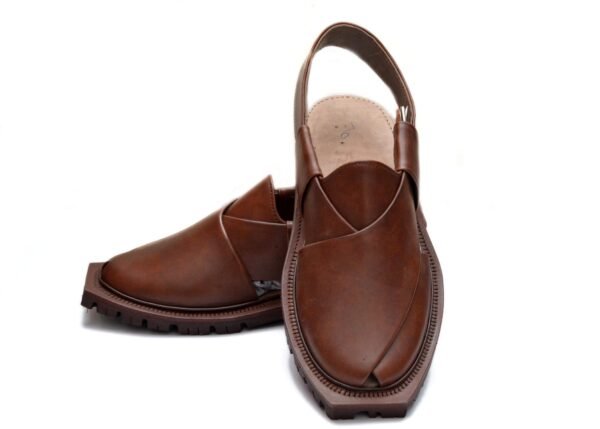

Note: Premium models are best if your wedding outfit uses richer fabrics (velvet, brocade) or stronger embroidery — they balance those textures well.
Traditional Heritage — For Cultural Weddings & Events
For heritage-themed weddings (Balochi, regional traditions, or Nikkah ceremonies), traditional Peshawari and Norozi chappals celebrate ethnic crafting, embroidery and locally-sourced leather.
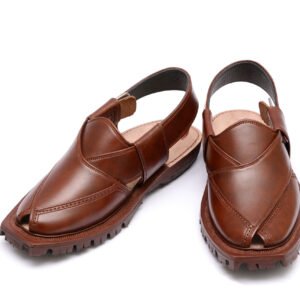 Norozi Kheri Chappal
Regional patterns and traditional craft.
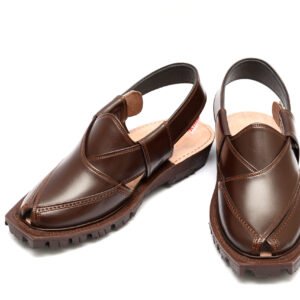 Brown Norozi Chappal
Classical outreach
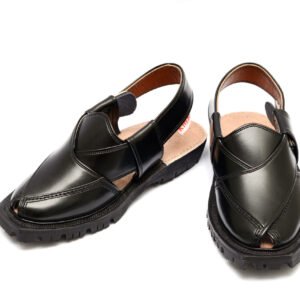
Faiz Norozi Chappal
Handmade with local flair.
Styling Advice: Matching Your Peshawari Chappal with Wedding Outfits
What you wear with your chappal matters as much as the chappal itself. Here are practical styling recommendations for different wedding events:
Nikkah & Baraat
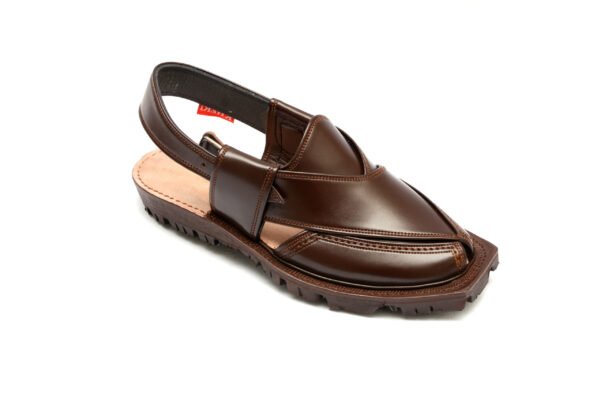
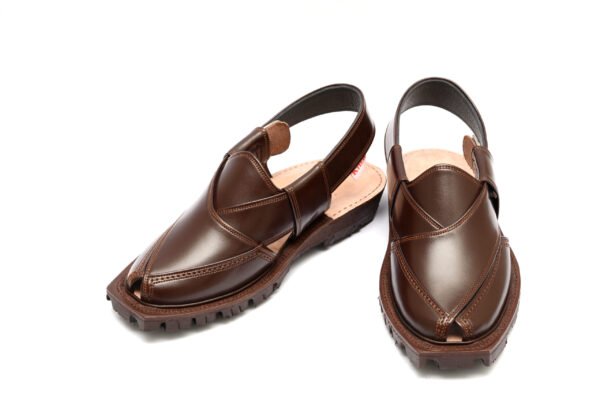
For the Nikkah — an intimate ceremony — lean toward subtlety. A smooth brown or tan Peshawari chappal works beautifully with light cream or pastel sherwanis. For the Baraat (the main entrance), pair a richer dark leather chappal with heavier brocade or velvet outfits.
Reception
Receptions often call for a more formal, contemporary style. Black or deep brown premium chappals with a faint sheen pair well with tuxedo-like sherwanis or designer waistcoats.
Mehndi & Valima
Daytime Mehndi events give you freedom to pick lighter colours or more ornate chappals. If you plan to dance, choose a chappal with a comfortable and shock-absorbing sole.


Quick tip: match the metal tone of buttons and brooches on your outfit with small accents on the chappal (if any) for a cohesive look.
Fit & Comfort: The Groom Will Be Standing (and Dancing) All Day
A wedding day is long — from morning rituals to late-night celebrations. Don’t compromise on comfort.
- The correct size is essential: Peshawari chappal should fit snugly but not tightly. Leave a finger’s breadth of room between the longest toe and the shoe’s edge. Access the size chart here.
- Sole preference: Look for chappals with slightly cushioned or stitched soles (double sole for long events).
- Break them in: Wear your wedding chappal at least 3–5 times ahead of the date to avoid blisters.
- Adjustable straps: If you have a high instep, choose a model with adjustable straps or ask the cobbler for a small modification.
If you order from KHeRi, check the product pages for size charts and read our recommended break-in practices before the big day.
Wedding-Day Care & Aftercare: Keep Your Chappal Photo-Perfect
Weddings can be dusty, rainy, or crowded. A little prep keeps your chappals looking new throughout the event and beyond.
Before the Wedding
- Polish & condition: Give leather chappals a light conditioning and polish 2-3 days before the wedding so the polish has time to set.
- Protective spray: For non-suede leather, a water-repellent spray helps during the monsoon season.
- Keep a touch-up kit: A small cloth and neutral shoe cream tucked into the groomsman’s bag is a lifesaver for last-minute scuffs.
During the Wedding
Keep chappals off wet or heavily stained surfaces and whenever possible, stand on clean rugs or carpets during photographs. If they get damp, stuff them with paper and let them air dry — never use direct heat.
After the Wedding
Clean dirt with a soft brush, condition the leather, and store it in dust bags. For long-term storage, use cedar shoe trees to preserve shape and prevent moisture buildup.
For a full care guide, see our Shoe Care Tips page: Shoe Care Tips.
Local Customization & Repair — Use Local Cobbler Expertise
In Pakistan, local cobblers are often highly skilled in detailed work like last-minute sole reinforcements, minor re-shaping, or adding a soft insole for comfort. Plan for a visit at least a week before the wedding to allow time for adjustments.
If you need custom finishing (embossing or colour matching), tell the cobbler the exact photos and measurements — KHeRi’s product pages include high-res images you can show as references on the repair counter.
Recommended local pages on KHeRi: About Us · Shop Collection
Featured KHeRi Peshawari Picks — Quick Buying Guide
Below is a quick list of the main Peshawari/Norozi models found on KHeRi’s front page and product catalogue (linked for easy access):
- Quetta Norozi Chappal — Classic leather for formal wear.
- Original Norozi Chinakut — Traditional shape with handcrafted detail.
- Norozi Chappal Single Sole (Mustard) — Lightweight with double tire sole option.
- Balochi Kheri Chappal — Heritage style for cultural ceremonies.
- Origional Norozi Chappal — Local craftsmanship and modern finishing.
- Tan Black Noroz Chappal — Bold black finish for reception and evening events.
Click any product above for full details, size charts, and shipping options.
How to Plan Your Chappal Purchase from Start to Wedding Day
Buying the right wedding footwear is a process—follow this timeline for a stress-free experience:
- 3 months before: Decide the look & budget. Browse KHeRi collections and shortlist 3 models.
- 6–8 weeks before: Order your chosen pair so you have time for delivery and possible exchanges.
- 4 weeks before: Start the break-in process — wear short periods at home to soften the leather and avoid blister shocks.
- 1 week before: Final polish and any last-minute cobbler adjustments.
- Day of wedding: Pack a small kit (cloth, cream/polish, plastic bag for rain backup) and designate a groomsman to keep it safe.
Frequently Asked Questions (FAQ)
Q: Are Peshawari chappals appropriate with a formal sherwani?
A: Yes — a well-polished Peshawari chappal in deep brown or black complements most sherwanis. If your sherwani is heavily embroidered or metallic, choose a simpler chappal so the outfit remains the focal point.
Q: How long before the wedding should I break in my chappals?
A: Start wearing the chappals around 3–4 weeks before the wedding for several short sessions. That’s usually enough time to soften the leather and adapt the fit.
Q: What if it rains on the wedding day?
A: Bring a backup pair (e.g., darker rubber-soled chappal) and try to stay on covered or carpeted areas. For leather chappals that get wet, blot, stuff with paper and air dry naturally; do not apply heat.
Q: Do you recommend custom sizing for a better fit?
A: If you have a non-standard foot size or require special comfort features, custom orders (or cobbler adjustments) are recommended. Handcrafted chappals are easier to adapt for a perfect fit.
Final Thoughts — Timeless, Comfortable & Proudly Pakistani
Peshawari chappal remains one of the most elegant, comfortable, and culturally resonant footwear choices for weddings in Pakistan. Whether you prefer classic Norozi finishes, premium double-sole models, or traditional handcrafted designs, KHeRi’s collection offers choices for every groom and every wedding moment.
Browse the full Peshawari collection on KHeRi: Peshawari Chappal Collection — and read more about keeping your wedding shoes perfect at our Shoe Care Tips page.
Shop with confidence: check size charts on each product page, order with enough lead time, and if needed, use local cobbler services for final fitting and finishing.
Congratulations — and may your wedding day be stylish, comfortable, and unforgettable.